The Local Pool Contractor That Was Never Contacted
Why Is This Pool Special?
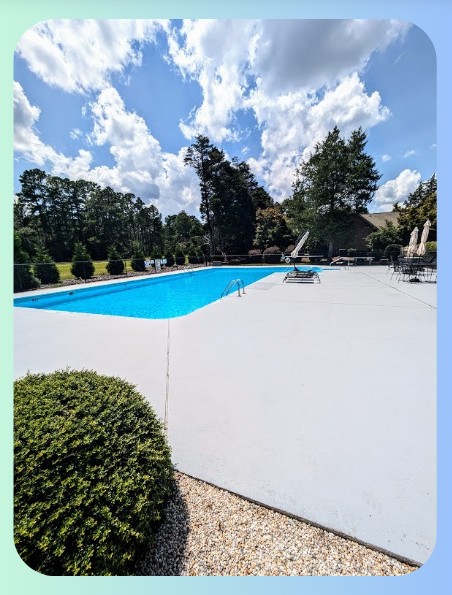
In 2024, a neighboring community needed repairs to its public pool—and selected a local, licensed pool company to complete the work. If you travel toward Pinehurst on Linden Road, just before reaching Elliott’s on Linden, you’ll see that pool on the left. That community chose a pool liner installation, a cost-effective solution that included a warranty.
During the same period, Foxfire residents were informed that no local companies were qualified to handle our pool repair. Yet just a few miles away, a licensed general contractor with a local storefront and professional design support was actively repairing another community pool.
The Overlooked Local Option
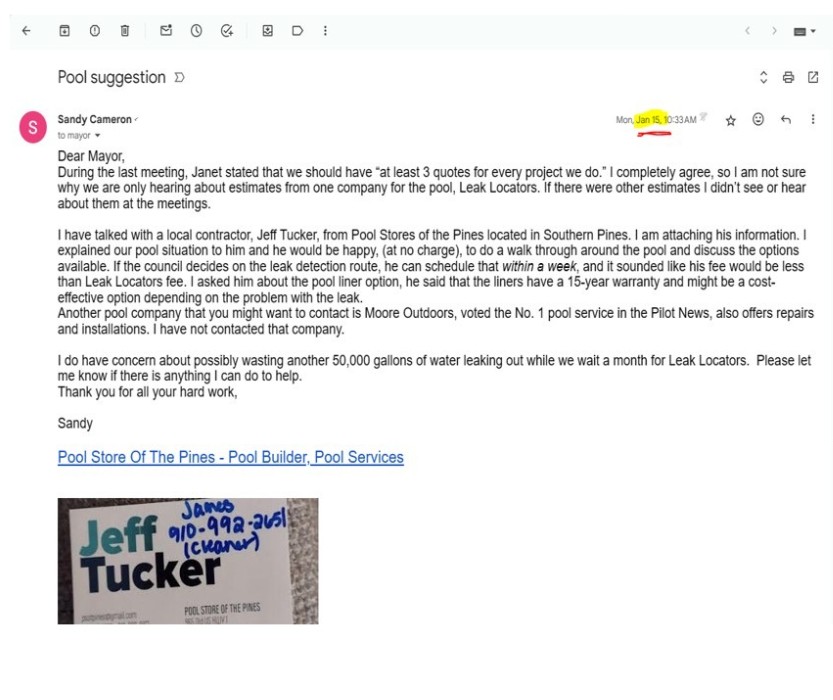
Foxfire does, in fact, have access to a qualified, licensed pool contractor—Pool Store of the Pines, based in Southern Pines. According to the 35-page municipal pool operations guide referenced by the mayor, this company meets the standards typically required for public pool work.
When asked about their experience and capabilities, the contractor explained:
“We’re an unlimited licensed general contractor. We build about 100 pools a year, including several commercial pools for subdivisions. We have a retail store where we sell supplies, and design professionals who assist when needed. We’ve got plenty of jobs they can see.”
When asked about general pricing—since residents were told a new pool could cost around $1 million—they added:
“We’re doing Cotswold right now (pictured above, on Linden Rd). Commercial pool prices vary depending on the specs. An engineer designs it and specs out everything, then we put together a proposal.”
This kind of local expertise and transparency could have helped inform Foxfire’s decision-making process. However, based on available information, the Council did not contact this contractor.
What North Carolina Law Requires
Informal Bidding (G.S. §143-131)
For public construction or repair projects costing between $30,000 and $500,000, municipalities may use an informal bidding process instead of formal sealed bids.
While there’s no minimum number of bids required, North Carolina law requires:
- A competitive and impartial approach
- Documentation of bids and quotes, available for public review
- Contractor selection based on qualifications, pricing, and responsibility—not familiarity or preference
While the law allows discretion, relying on personal preference rather than objective criteria may undermine public trust and conflict with the intent of state bidding laws.
Ethics and Conflict of Interest (NCGS Chapter 138A)
Under North Carolina’s State Government Ethics Act, public officials are required to:
- Act impartially, without favoritism, bias, or undue influence
- Base decisions on the public’s best interest, not personal or professional relationships
Even when actions are within legal bounds, perceived conflicts or selective decision-making can affect public confidence in how contracts are awarded and funds are spent.
Careful, open decision-making that considers qualified local contractors strengthens both the outcome of public projects and public trust.
*** Scroll down 3 ATTACHMENTS BELOW / email to the mayor – no response was ever received
Disclaimer
This article is for informational purposes only and reflects the author’s opinions and observations. It does not accuse or allege wrongdoing by any individual, official, or organization. All facts presented are based on publicly available sources or statements attributed to named parties. Readers are encouraged to verify information independently before drawing conclusions.